Rain gardens for managing surface water
in urban landscapes

Rain garden systems for managing surface water within planted urban infrastructure. HydroPlanter rain garden systems provide engineered infrastructure for capturing, storing and filtering stormwater while supporting planting within streets, public realm and development projects.

The Challenge

Urban development increases impermeable surface area, placing pressure on drainage networks and increasing the risk of surface water flooding.

Rain garden systems must manage surface water effectively while also supporting planting, streetscape design and long-term performance within urban environments.

Key design considerations include:

Managing inflow from surrounding paved surfaces

Providing temporary storage for stormwater

Filtering pollutants from surface water

Integrating rain gardens within streets and public spaces

“Rain gardens help manage runoff at source while creating planted, multifunctional spaces within urban environments.”

The Role of Rain Gardens in Sustainable Drainage

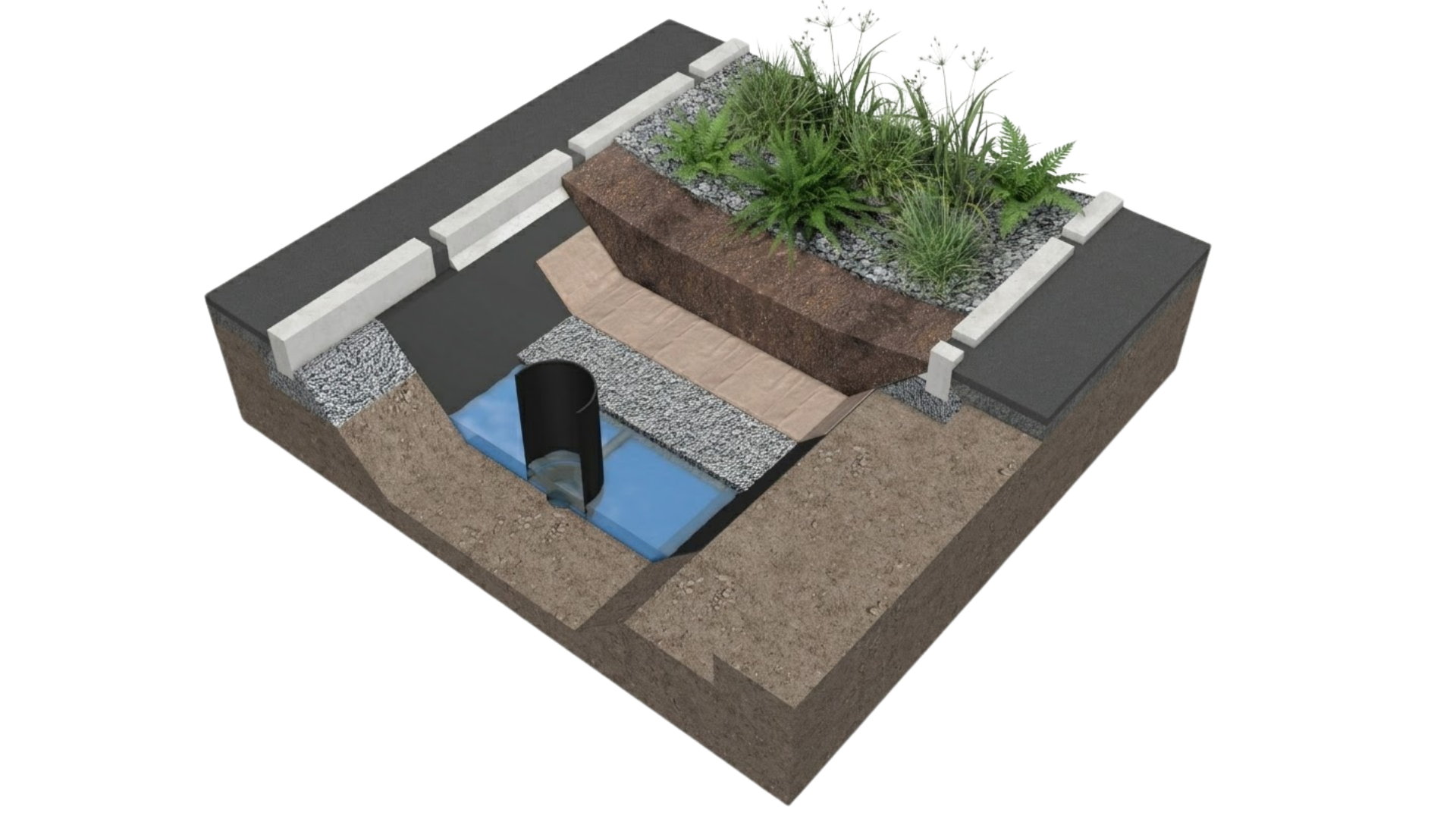
Urban areas increasingly require effective solutions to manage surface water while improving environmental quality. Rain gardens manage runoff at source by directing surface water into planted areas where it can be temporarily stored and filtered.

When integrated into SuDS strategies, rain gardens can reduce pressure on drainage networks while supporting biodiversity, amenity and urban greening.

Key Benefits Include:

Reduction of peak runoff entering drainage networks


Temporary storage within planting media


Filtration of pollutants from surface water


Support for biodiversity and urban greening


Enhanced streetscape and public realm design


Integrating rain gardens within SuDS strategies allows surface water management and planted infrastructure to work together.

How Rain Garden Systems Work

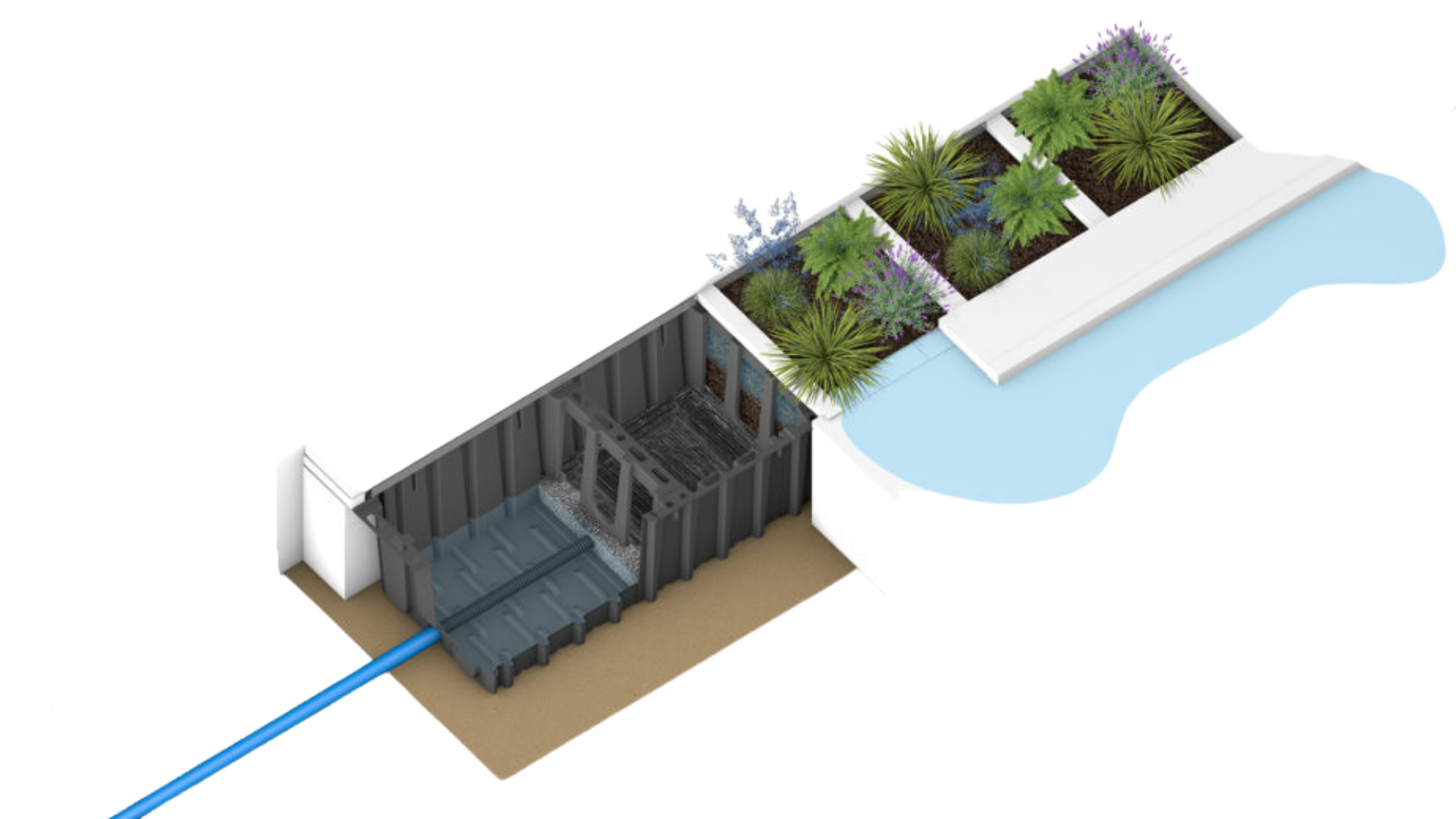
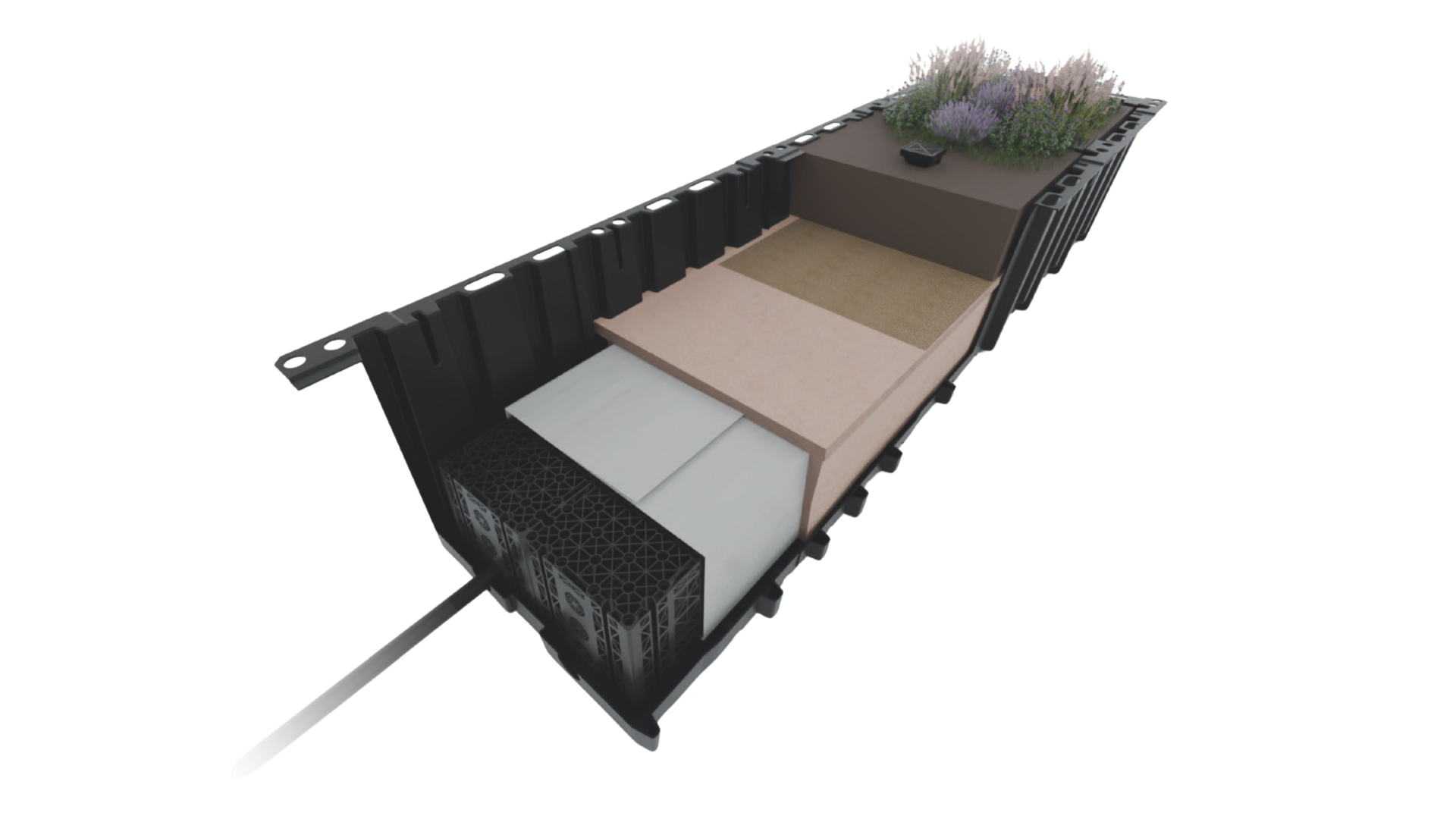
Rain garden systems combine planted infrastructure with engineered components that allow stormwater to enter, be stored and drain gradually from the system.

Surface water from surrounding paved areas can be directed into the rain garden, where it is temporarily held and filtered through the planting media before draining into surrounding ground conditions or drainage infrastructure.

Rain gardens typically manage water through:

Temporary storage within planting media

Filtration of pollutants from surface water

Controlled drainage from the entire system

HydroPlanter

Modular Bioretention Rain Garden System

HydroPlanter provides a versatile, modular rain garden system designed for stormwater treatment, source control and landscape integration.

Use when you need:

Cost-effective bioretention for small catchments areas


Stormwater treatment and filtration through planted soil media


A straightforward modular rain garden system


Water quality, biodiversity and amenity benefits


A proven SuDS solution for streetscapes and developments

HydroPlanter Max

High-Capacity Rain Garden System

HydroPlanter Max provides increased stormwater storage and attenuation within the same footprint as the standard HydroPlanter system.

Use when you need:

Increased stormwater storage within the same footprint


Enhanced attenuation and flow control performance


A planted SuDS solution for high runoff areas


Additional storage capacity on constrained sites


Biodiversity and amenity with stronger hydraulic performance

HydroPlanter Flex

Shape-Adaptive Rain Garden System

HydroPlanter Flex provides a configurable rain garden system for constrained, irregular or bespoke layouts where standard modules may not easily fit.

Use when you need:

A rain garden system for irregular or constrained layouts


A fully integrated system with key components included


Reduced specification and installation complexity


A configurable solution for highways and public realms


Predictable SuDS delivery with fewer design unknowns

Designing Rain Gardens for Attenuation

Integrating rain gardens within drainage infrastructure requires coordination between landscape design, drainage engineering and construction requirements.

Early engagement during the design stage helps ensure rain gardens are correctly sized and incorporated into the wider SuDS strategy.

GreenBlue Urban regularly supports designers and engineers with:

  • integration of rain gardens within SuDS strategies
  • hydraulic performance and storage considerations
  • coordination with planting, drainage and public realm design
  • practical installation considerations for contractors

Responsible Use of Materials

Sustainability is an important consideration in modern infrastructure projects. Many GreenBlue Urban rain garden systems are manufactured using high levels of recycled materials while maintaining the performance required for demanding urban environments.

Durable construction and long service life also help reduce the environmental impact associated with replacement or repair over time.

Place Holder for HubSpot Contact Us Form